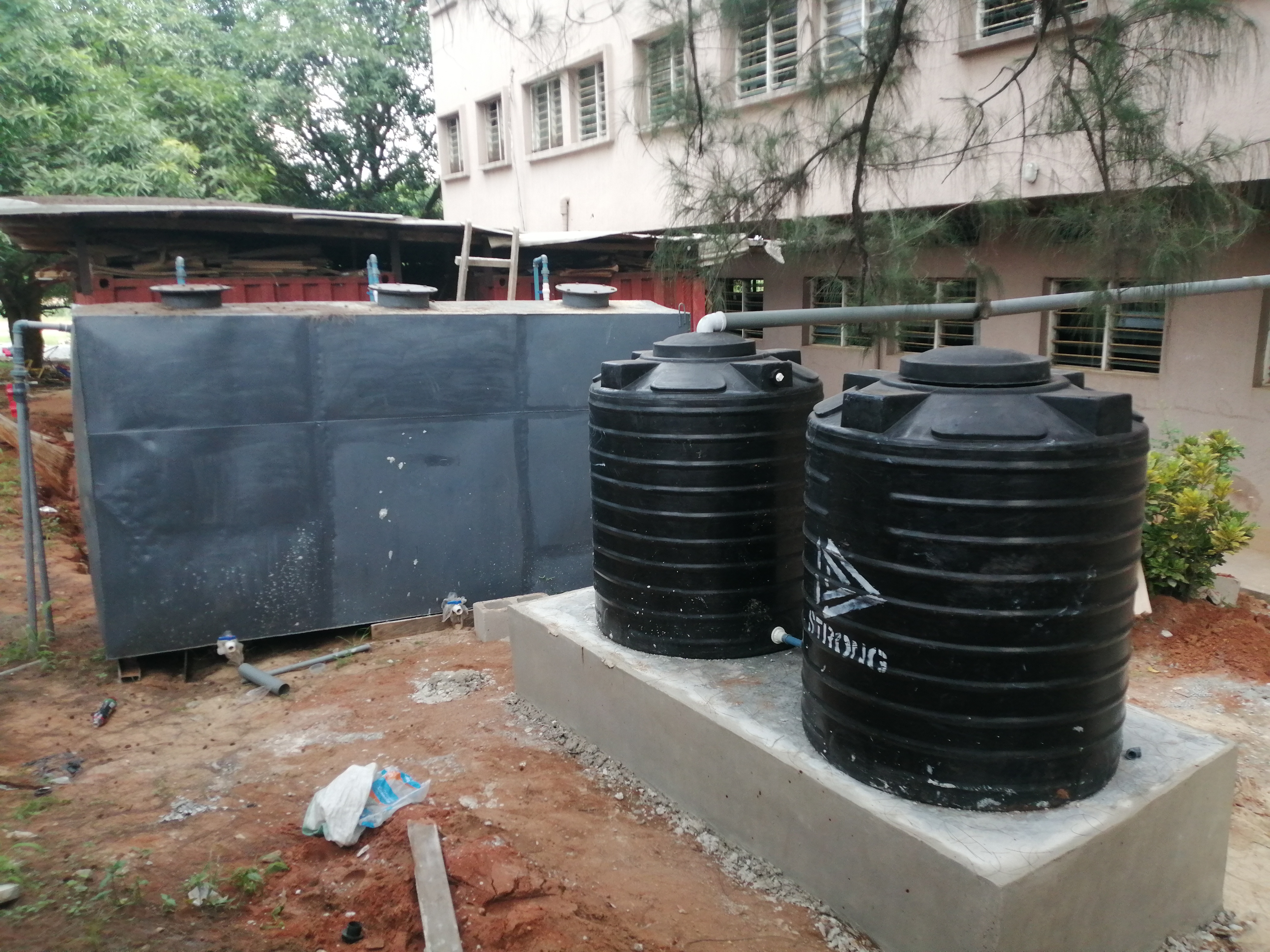
Wastewater Management

Introduction: Wastewater management is the process of treating and disposing of water that has been used and contaminated by domestic, industrial, or commercial activities to protect human health and the environment.

Key Objectives:

  • Water Quality Protection: Prevent contamination of surface and groundwater resources.
  • Public Health: Reduce risks associated with waterborne diseases.
  • Environmental Conservation: Preserve aquatic ecosystems and biodiversity.
  • Resource Recovery: Reuse treated water and recover nutrients and energy.
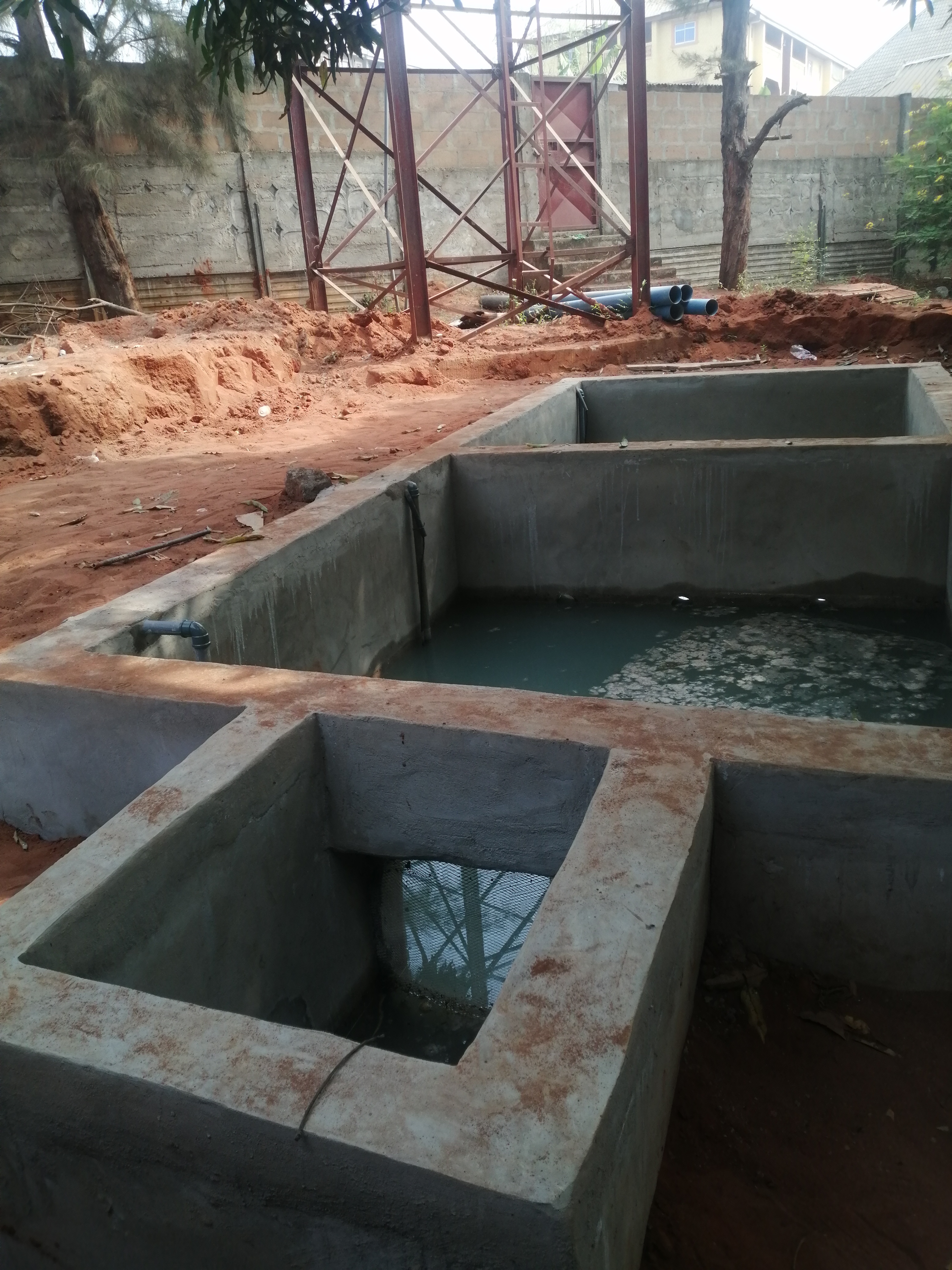
Wastewater treatment plant at Jobitech

Impact of Proper Wastewater Management

2B+
People with Access to Clean Water
70%
Wastewater Treated Globally
Millions
Cubic Meters of Water Reused
50%+
Reduction in Pollution & Health Risks

About Management

Wastewater management encompasses the collection, treatment, and disposal of wastewater to minimize its impact on human health and the environment.

Effective wastewater management includes:

  • Collection: Proper piping and sewer systems to transport wastewater safely.
  • Treatment: Physical, chemical, and biological processes to remove contaminants.
  • Disposal or Reuse: Safe discharge or reuse of treated water for irrigation, industrial processes, or groundwater recharge.
  • Monitoring: Regular checks to ensure compliance with environmental standards.
Wastewater management process diagram